Walk into any bar or grocery aisle now and you'll find more alcohol-free options than ever — hoppy zero-proof IPAs, elaborate mocktails, sodas built around bitter roots and adaptogens. Most articles about this stop there, with a list of twenty-seven bottles worth trying. That's not really the question you have. What matters is which of these drinks help you stay on track and which ones quietly work against you, and that difference has almost nothing to do with what's actually in the glass.
It replaces a ritual, not just a taste
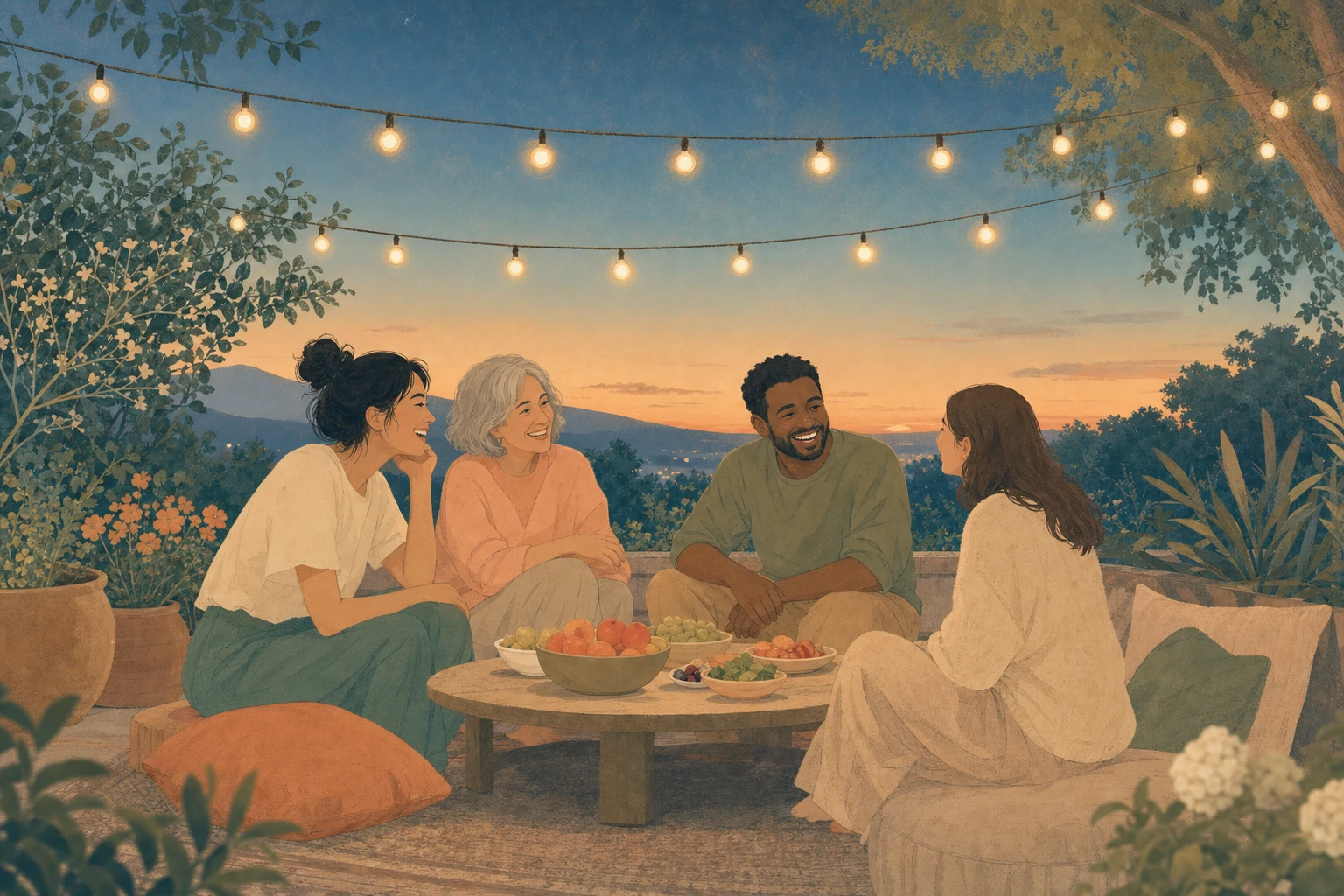
Alcohol was rarely just alcohol. It was the thing you reached for at 6pm to mark the end of the day, the object in your hand at a party that gave you something to do, the glass that made a Tuesday dinner feel a little more like an occasion. When you swap it out, you're not really choosing a beverage — you're choosing what fills that same slot in your evening. A can of sparkling water cracked open on the couch at the exact moment you used to pour a glass of wine can do more for you than a fancy mocktail sipped absentmindedly while scrolling your phone. The ritual is doing the work. The drink is just the vehicle.
That's worth sitting with before you shop for anything. Ask what the alcohol was actually giving you in that specific moment — a transition, a treat, something to hold, a taste you liked — and look for a replacement that answers the same need, not just one that tastes similar.
The 0.5% question, answered plainly
In the US, a drink labeled "non-alcoholic" can legally still contain up to 0.5% ABV, under the rules the Alcohol and Tobacco Tax and Trade Bureau sets for malt beverage labeling. Only "alcohol-free" or "0.0%" means essentially none. Nutritionally, 0.5% is trivial — you'd land in roughly the same range drinking kombucha or eating a very ripe banana, both of which naturally contain small amounts of alcohol from fermentation. If you're pregnant, in recovery from a substance use disorder, or have a specific medical reason to avoid alcohol entirely, that distinction matters and it's worth checking labels and choosing 0.0% products. For most people cutting back or staying sober day to day, the trace amount itself is not the thing to worry about.
The number isn't really the issue. What matters more is what happens in your head when you drink something that looks, smells, and pours exactly like the real thing.
The real issue is the cue, not the ABV
Your brain learned, over months or years, to associate a whole set of cues with alcohol: the hiss of a can opening, the smell of hops or wine, the specific shape of a glass, the sound of ice. Research on cue reactivity, summarized by the NIAAA, shows these cues can trigger a craving response on their own, with zero alcohol actually involved. That's why an alcohol-free beer can feel completely fine for one person and feel like standing at the edge of a cliff for another.
Neither reaction means you're doing this wrong. For some people, a 0.0% beer at a barbecue is a genuinely useful bridge — it lets them keep the ritual, the taste, the thing in their hand, without the part that caused problems. For others, that same bottle keeps a craving alive that would otherwise have faded, because the cues alone are enough to light it up. If you notice a craving building while you're using an alcohol-free option, here's what to do in that moment — it doesn't mean the drink failed you, it means your brain is doing exactly what it learned to do.
A simple self-test: bridge or trap
You can usually tell which camp you're in without much guesswork. Ask yourself three things about how you use alcohol-free beer or wine. How do you feel about ten minutes after finishing one — settled, or already thinking about the next? Do you find yourself counting them, the way you used to count real drinks, or opening a second and third without noticing? And do you drink it fast, almost like you're chasing something, or slowly, the way you'd actually drink a beverage you enjoy?
If your answers lean toward settled, one is usually enough, and you drink it slowly — it's probably a genuine bridge for you, and there's no reason to give it up. If they lean the other way, that's useful information, not a failure. It just means alcohol-free beer and wine sit too close to the real thing for your particular brain right now, and you're better off in a different lane entirely.
What actually helps instead
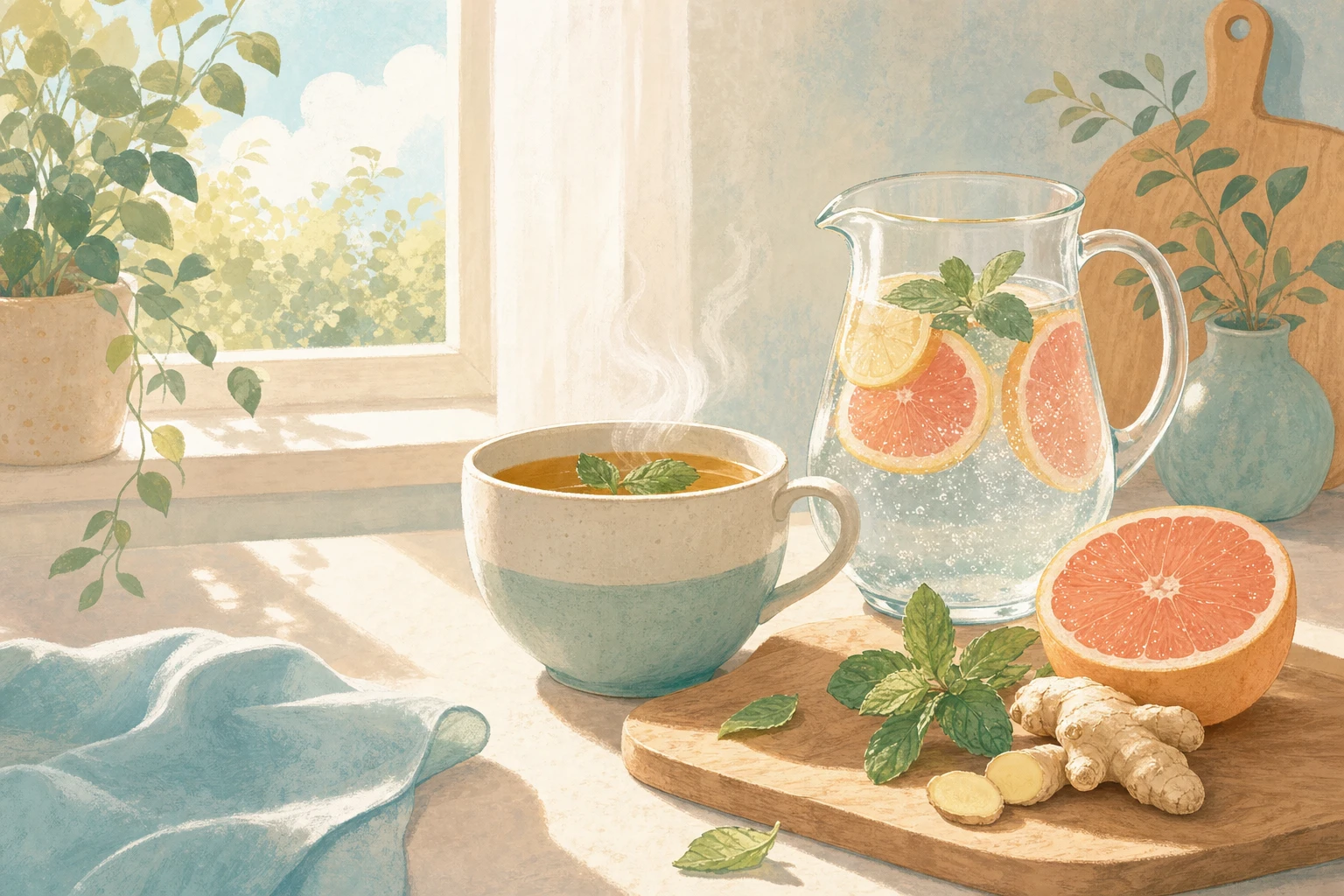
For a lot of people, the drinks that work best aren't trying to imitate alcohol at all — they're offering something alcohol never quite gave you either: real bitterness, real bubbles, and something that takes a little effort to make. Tonic water with a few dashes of bitters and a lime wedge, club soda with fresh grapefruit and a pinch of salt, or plain sparkling water with citrus poured over ice in an actual glass all hit that bitter-and-fizzy register that a sweet mocktail usually misses.
Temperature and ceremony matter too. A drink made in a real glass, with ice, a garnish, poured with a bit of attention, reads to your brain as an event rather than something you grabbed out of habit. For the evening slot specifically — the hour that used to belong to wine or a nightcap — a strong ginger tea or a warming herbal blend can fill that "settling down" role surprisingly well, precisely because it's warm and takes a minute to prepare.
One warning worth taking seriously: a lot of mocktails and bottled alcohol-free drinks carry as much sugar as a can of soda, sometimes more. A sugar spike followed by the crash an hour or two later can feel remarkably like a craving building — restless, edgy, hard to settle — and it's easy to mistake one for the other. If you're reaching for something sweet every evening and feeling worse afterward, it's worth checking the label before you assume the problem is willpower.
What to order without a conversation about it
At a bar, a wedding, or a work dinner, you don't owe anyone an explanation, and a good order shouldn't need one. A few that work almost anywhere: soda water with lime and a dash of bitters, club soda with fresh grapefruit juice, a proper non-alcoholic beer if you've confirmed it's a bridge and not a trap for you, or a virgin version of whatever the bar already makes — ginger beer and lime, or a shrub-and-soda if they have one. Ordering something specific, rather than "just a water," keeps you in the same ritual as everyone else at the table, which tends to matter more than people expect. If the social side of the evening feels like the harder part, there's more on getting through it here. If it helps to have something quietly tracking the choice you're making, Sober Days counts your days on your phone, in the background, with no account and nothing to perform.
A note on drinks that promise a buzz
You'll also see kava bars, kanna-infused drinks, and THC seltzers marketed toward people cutting back on alcohol, often with language about relaxation or a "social lift" without the hangover. Worth being honest about these: they're psychoactive substances with their own effects on your mood and nervous system, not a sober swap for alcohol. That doesn't make them off-limits by definition, but it does mean they're a different conversation — one worth having with a doctor who knows your health history, not a decision to make based on a can's marketing copy. This isn't a recommendation for or against them, just a nudge to be clear-eyed about what they actually are.
When to talk to a doctor before you change anything
Everything above assumes you're choosing what to drink instead of alcohol on any given evening. If you drink heavily every day and notice things like shaking in the morning, sweating that isn't about the weather, or drinking specifically to stop feeling sick or anxious, that's a different situation, and swapping in alcohol-free drinks is not a withdrawal plan. Stopping abruptly after long, heavy daily drinking can be dangerous. A doctor can help you do this safely, and asking for that help isn't a sign you've failed at anything — it's the responsible way to start.
What ends up in your glass matters less than most listicles suggest. What matters is understanding what you actually needed the old drink for, and finding something that meets that need honestly — bitter, cold, warm, effortful, whatever it turns out to be for you.
Sources